Michaela B Widener: Vision for Kaua'i's Future
- Mikki Widener
- 1 day ago
- 4 min read

Kaua'i, often referred to as the "Garden Isle," is a place of breathtaking beauty and rich cultural heritage. However, like many places around the world, it faces challenges that threaten its unique environment and community. Michaela B Widener, a passionate advocate for sustainable development and community engagement, has a vision for Kaua'i's future that seeks to balance growth with preservation. In this blog post, we will explore Michaela's vision, the challenges Kaua'i faces, and the steps that can be taken to ensure a thriving future for the island.
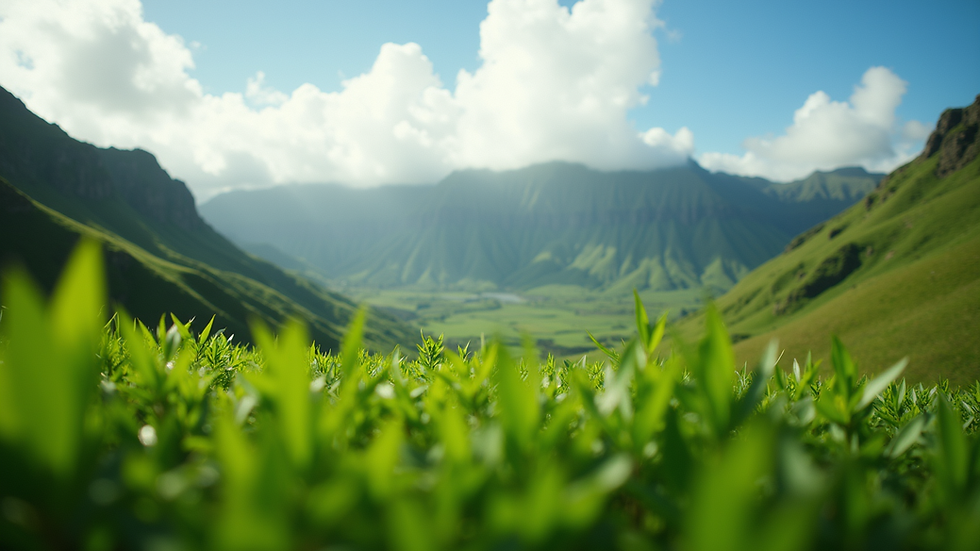
Understanding Kaua'i's Challenges
Kaua'i is not immune to the pressures of modern development. As tourism continues to grow, the island faces several challenges:
Environmental Degradation: Increased tourism and development can lead to habitat destruction, pollution, and strain on natural resources.
Cultural Erosion: The influx of visitors can dilute the rich cultural traditions of the native Hawaiian community.
Housing Affordability: Rising property values and rental prices can make it difficult for local residents to afford housing.
Infrastructure Strain: The existing infrastructure may struggle to support the growing population and tourist numbers.
Michaela recognizes these challenges and believes that a proactive approach is essential for the island's future.
Michaela's Vision for Sustainable Development
Michaela B Widener envisions a Kaua'i where sustainable development is at the forefront of all decision-making processes. Her approach focuses on three key areas:
1. Environmental Stewardship
Michaela advocates for policies that prioritize the protection of Kaua'i's natural resources. This includes:
Conservation Initiatives: Supporting local organizations that work to preserve native flora and fauna.
Sustainable Tourism Practices: Encouraging eco-friendly tourism that respects the environment and local culture.
Renewable Energy Projects: Promoting the use of solar, wind, and other renewable energy sources to reduce the island's carbon footprint.
2. Community Engagement
Michaela believes that the local community should have a voice in shaping Kaua'i's future. Her vision includes:
Public Forums: Organizing community meetings where residents can express their concerns and ideas.
Partnerships with Local Organizations: Collaborating with nonprofits and community groups to address local issues.
Education Programs: Implementing educational initiatives that inform residents about sustainability and environmental stewardship.
3. Economic Resilience
To ensure a thriving economy, Michaela emphasizes the importance of diversifying Kaua'i's economic base. This can be achieved through:
Support for Local Businesses: Encouraging residents to shop local and support small businesses.
Investment in Agriculture: Promoting sustainable farming practices that can provide food security and economic opportunities.
Job Training Programs: Offering training for residents in emerging industries, such as renewable energy and conservation.
Real-World Examples of Sustainable Practices
Michaela's vision is not just theoretical; there are already successful examples of sustainable practices on Kaua'i that can serve as models for the future.
The Hanalei National Wildlife Refuge
The Hanalei National Wildlife Refuge is a prime example of conservation efforts on the island. This refuge protects critical habitats for native birds and plants while providing educational opportunities for visitors. By promoting awareness of the importance of these ecosystems, the refuge helps foster a sense of stewardship among residents and tourists alike.
Local Farming Initiatives
Organizations like the Kaua'i Community College's agricultural program are working to promote sustainable farming practices. By teaching residents how to grow food using environmentally friendly methods, these programs not only support local food security but also help preserve Kaua'i's agricultural heritage.
The Role of Education in Shaping Kaua'i's Future
Education plays a crucial role in Michaela's vision. By equipping the next generation with the knowledge and skills needed to address environmental and social challenges, Kaua'i can build a more sustainable future.
Integrating Sustainability into School Curricula
Schools on Kaua'i can incorporate sustainability into their curricula by:
Hands-On Learning: Engaging students in projects that involve local ecosystems, such as planting native trees or participating in beach cleanups.
Field Trips: Organizing visits to local farms, conservation areas, and renewable energy sites to provide real-world context.
Community Service Projects: Encouraging students to participate in community service that focuses on environmental stewardship.
Building a Collaborative Future
Michaela believes that collaboration is key to achieving her vision for Kaua'i. By bringing together various stakeholders, including government agencies, local businesses, and community organizations, a unified approach can be developed to tackle the island's challenges.
Creating a Sustainable Development Task Force
One way to foster collaboration is by establishing a Sustainable Development Task Force. This group could consist of representatives from different sectors, including:
Local Government: To ensure that policies align with community needs.
Environmental Organizations: To provide expertise on conservation and sustainability.
Business Leaders: To advocate for economic initiatives that support local growth.
The Importance of Cultural Preservation
As Kaua'i moves towards a sustainable future, it is vital to preserve the island's rich cultural heritage. Michaela emphasizes the need to respect and integrate Hawaiian traditions into development plans.
Supporting Native Hawaiian Initiatives
Supporting initiatives led by native Hawaiians can help ensure that cultural practices are maintained. This includes:
Cultural Education Programs: Teaching residents and visitors about Hawaiian history, language, and traditions.
Cultural Events: Promoting festivals and events that celebrate Hawaiian culture and encourage community participation.
Collaboration with Cultural Leaders: Involving cultural leaders in decision-making processes to ensure that their voices are heard.
Conclusion: A Call to Action
Michaela B Widener's vision for Kaua'i's future is one of hope and possibility. By prioritizing sustainable development, community engagement, and cultural preservation, Kaua'i can navigate the challenges it faces while maintaining its unique identity.
As residents and visitors, we all have a role to play in shaping the future of this beautiful island. Whether through supporting local businesses, participating in community initiatives, or advocating for sustainable practices, every action counts. Together, we can ensure that Kaua'i remains a paradise for generations to come.
Let’s embrace this vision and work towards a sustainable future for Kaua'i.

Comments